
Reusable mouse traps can collect urine, droppings, blood, hair, and other contamination. Cleaning them safely requires more than brushing away debris: rodent waste should be thoroughly wetted before handling, and contaminated material should never be swept or vacuumed while dry.
The following steps explain how to clean mouse traps while reducing exposure to contaminated dust and protecting the trap from unnecessary damage.
What You Will Need
Gather your supplies before approaching the trap:
- Rubber, vinyl, or plastic gloves
- An EPA-registered disinfectant suitable for the surface being cleaned
- Paper towels or disposable cleaning cloths
- Two plastic disposal bags
- Soap and water
- A disposable brush or dedicated cleaning tool, if needed
- Eye protection if splashing is possible
Always read the disinfectant label before use. Follow its directions for dilution, compatible surfaces, ventilation, and contact time. Never mix bleach with ammonia, acids, or other cleaning products.
1. Check the Trap’s Cleaning Instructions
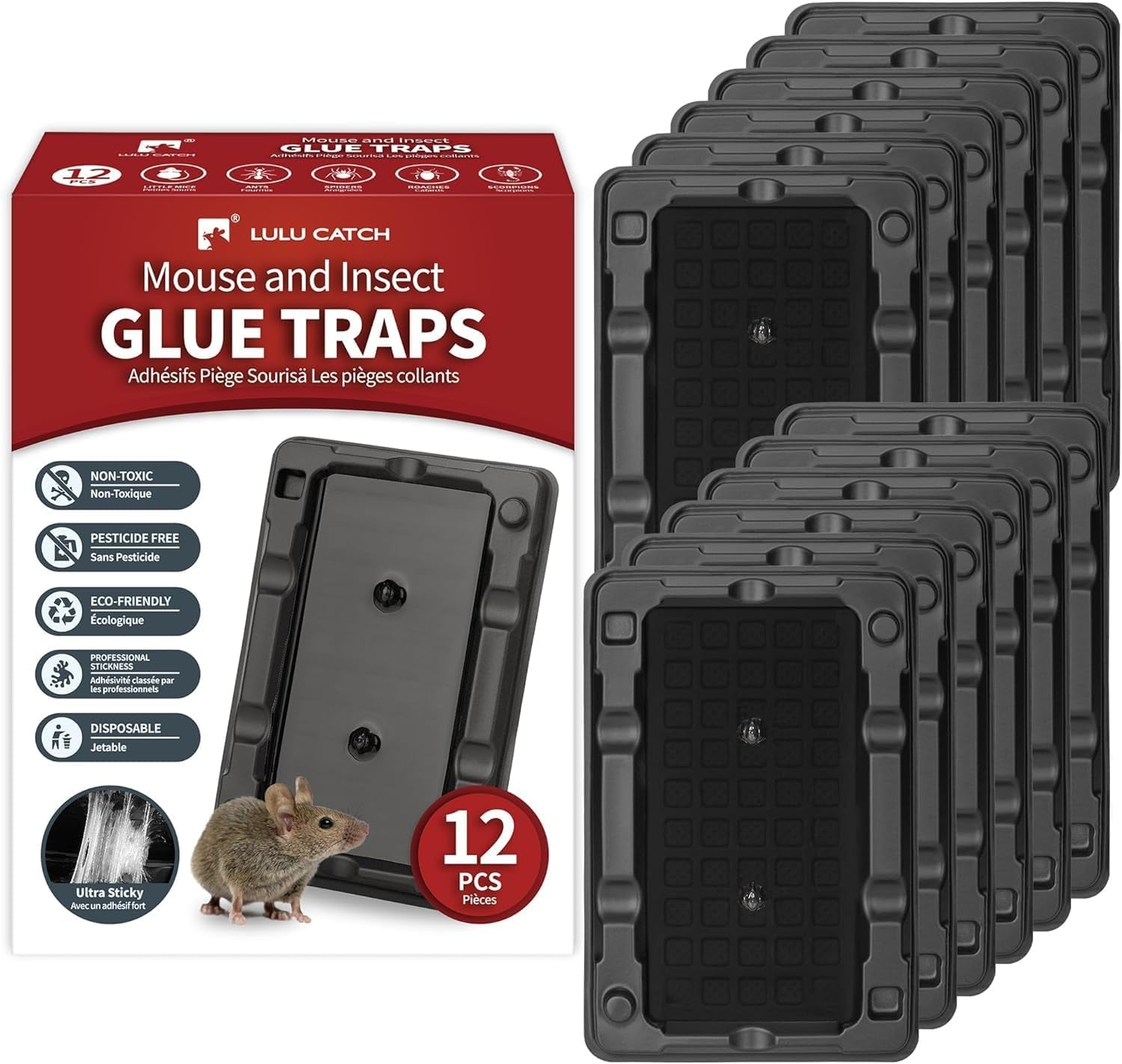
Before cleaning a reusable trap, review its manufacturer’s instructions. Cleaning methods vary among plastic, metal, wooden, and electronic traps.
Do not immerse an electronic trap or expose its internal components to liquid unless the manufacturer specifically permits it. Porous traps, including unfinished wood, may need to be replaced if contamination has soaked into the material and cannot be safely removed.
2. Ventilate Enclosed Areas When Appropriate
If the trap is in a shed, garage, cabin, storage room, or another enclosed space that has been closed for an extended period, ventilate the area before cleanup. Open exterior doors and windows and leave the area while fresh air circulates.
Avoid using a fan in a way that blows across dry droppings, nesting material, or other contamination. This can send contaminated particles into the air.
Routine cleanup in an occupied room may not require an extended ventilation period, but the disinfectant label’s ventilation directions still apply.
3. Put On Protective Gloves
Wear rubber, vinyl, or plastic gloves before touching the trap, a dead rodent, droppings, nesting material, or contaminated surfaces.
Do not handle a rodent directly, even if it appears dry or has been in the trap for some time. Keep your gloved hands away from your face during cleanup.
4. Wet the Rodent, Trap, and Nearby Contamination
Do not sweep, brush, shake, or vacuum dry rodent waste.
Spray the dead rodent, the contaminated portions of the trap, and any nearby droppings or urine until thoroughly wet. Allow the disinfectant to remain visibly wet for the full contact time stated on its label.
This initial wetting helps prevent contaminated material from becoming airborne during handling.
5. Remove and Dispose of the Rodent Safely
After the required contact time, release the rodent from the reusable trap directly into a plastic bag without touching it with bare hands.
Seal the first bag, place it inside a second bag, and seal the second bag. Put the double-bagged rodent in a covered waste container if permitted by local requirements. If local disposal rules are unclear, contact the appropriate sanitation or public-health authority.
If the trap is damaged, disposable, or too contaminated to clean, follow its manufacturer’s disposal instructions and applicable local requirements.
6. Remove Wet Debris From the Trap
Use damp paper towels or disposable cloths to pick up hair, bait, nesting material, and other residue. Place all used cleaning materials in the disposal bag.
If material is caught in a trap mechanism, use a disposable brush or a tool reserved for this purpose. Work carefully around springs, strike bars, and sharp edges.
Never use compressed air to clean a mouse trap, as it can spread contaminated particles.
7. Clean and Disinfect the Trap
Once visible debris has been removed, clean the trap as directed by its manufacturer. If soap and water are permitted, use them to remove remaining dirt and organic material.
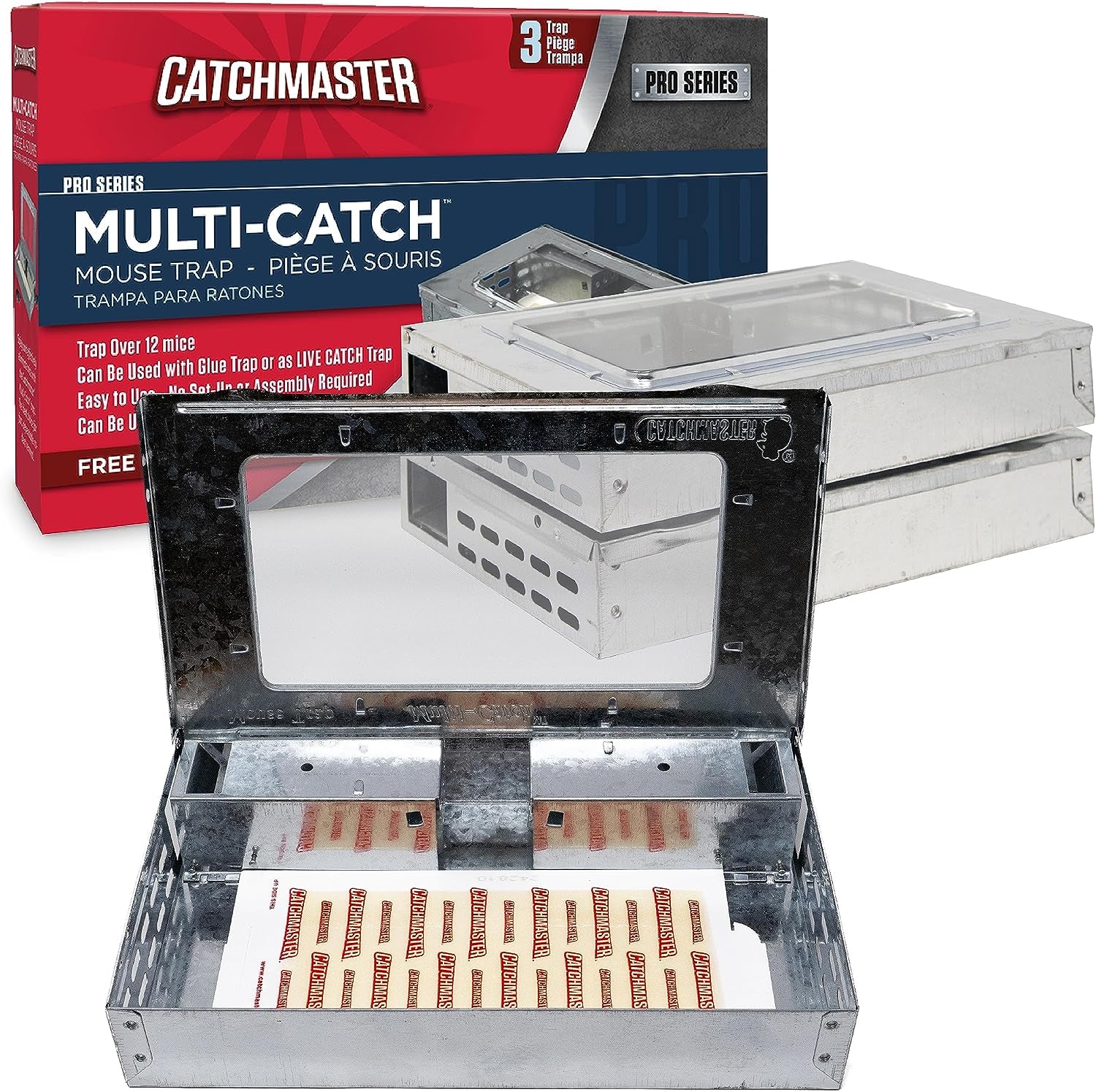
Apply a compatible disinfectant again, covering all contaminated surfaces. Keep the surfaces wet for the complete label-specified contact time. Adding more disinfectant does not shorten the required waiting period.
Pay particular attention to:
- Bait cups or bait compartments
- Trigger plates
- Hinges and springs
- Undersides and recessed areas
- Surfaces that contacted the rodent
Do not mix cleaning chemicals. If changing products, rinse first when required by their labels.
8. Use Extra Care With Electronic and Porous Traps
Electronic mouse traps
Before cleaning an electronic trap:
- Switch it off.
- Disconnect it from power or remove its batteries if the instructions call for this.
- Follow the manufacturer’s procedure for opening and emptying it.
- Clean only the components and surfaces approved for cleaning.
Do not rinse, submerge, or spray liquid into electrical compartments unless the manufacturer expressly allows it. A manufacturer-approved wipe or lightly dampened cloth may be required instead.
Wooden and other porous traps
Unfinished wood and other porous materials can absorb urine, blood, and cleaning chemicals. Follow the manufacturer’s directions and inspect the trap after cleaning.
Consider replacing a trap if contamination has soaked into the material, an odor remains, mold is present, or effective cleaning would damage the trap.
9. Let the Trap Dry and Inspect It
Rinse the trap only if the disinfectant label or trap instructions require it. Allow the trap to dry completely before rebaiting, reconnecting power, or returning it to service.
Inspect the trap for:
- Cracks or broken components
- Corrosion
- Bent trigger parts
- Damaged wiring or battery compartments
- A mechanism that no longer moves as intended
Do not reuse a trap that appears unsafe to handle or operate.
10. Clean the Surrounding Area and Wash Your Hands
Disinfect the surface beneath and around the trap using the same wet-cleaning principles. Pick up wet material with paper towels and dispose of it in a sealed bag.
While still wearing gloves, wash the outside of the gloves with soap and water or disinfect them according to their instructions. Remove the gloves without touching their contaminated exterior, then wash your bare hands thoroughly with soap and water.
Wash reusable cleaning tools separately, disinfect them with a compatible product, and allow them to dry before storage.
How Often Should You Clean a Reusable Mouse Trap?
Clean and disinfect a reusable trap after it catches a mouse or whenever it has visible urine, droppings, blood, spoiled bait, or other contamination.
Check inactive traps regularly. Replace bait as appropriate for the trap and discard traps that are damaged or cannot be cleaned according to their manufacturer’s instructions.
Common Mouse-Trap Cleaning Mistakes
Avoid these unsafe or damaging practices:
- Sweeping or vacuuming dry droppings
- Shaking debris out of a trap
- Handling a rodent without gloves
- Wiping disinfectant away before its labeled contact time has elapsed
- Mixing bleach with other cleaning products
- Spraying liquid into an electronic trap
- Submerging a trap without checking its instructions
- Reusing a porous trap that remains contaminated
- Placing a contaminated trap in a dishwasher with dishes or utensils
- Resetting a trap before it is dry and inspected
Frequently Asked Questions
Can you wash a mouse trap with soap and water?
Some reusable plastic and metal traps can be washed with soap and water, but the manufacturer’s instructions should determine the method. Washing removes dirt; disinfection is a separate step and requires a compatible product to remain on the surface for its labeled contact time.
Electronic traps should not be immersed unless their manufacturer specifically permits it.
Can you use bleach to clean a mouse trap?
Use bleach only in accordance with its product label and the trap manufacturer’s material-care instructions. Bleach can damage or corrode some materials. Never mix it with ammonia, acids, or any other cleaner.
An EPA-registered disinfectant compatible with the trap’s surface may be another option. The label determines how the product must be prepared and used.
Can you vacuum mouse droppings around a trap?
Do not vacuum or sweep dry mouse droppings. Wet them thoroughly with an appropriate disinfectant, wait for the labeled contact time, and pick them up with paper towels or disposable cloths.
Should you throw away a trap after catching a mouse?
Not necessarily. A reusable trap may be used again if its manufacturer permits cleaning and the trap can be fully cleaned, disinfected, dried, and inspected. Replace it if it is damaged, unsafe, or made from a porous material that remains contaminated.
What should you do after accidental contact with a rodent?
Wash exposed skin promptly with soap and water. Seek medical advice if you were bitten or scratched, contaminated material contacted your eyes or mouth, or you become ill after significant rodent exposure. Tell the healthcare professional about the nature of the exposure.
Final Takeaway
To clean a mouse trap safely, wet and disinfect contamination before handling it, never sweep or vacuum dry rodent waste, and observe the disinfectant’s full labeled contact time. Dispose of the rodent securely, clean the trap according to its material and manufacturer’s directions, and wash your hands when finished.
Electronic and porous traps need particular care. When a trap cannot be safely disinfected or has been damaged, replacement may be the safer option.